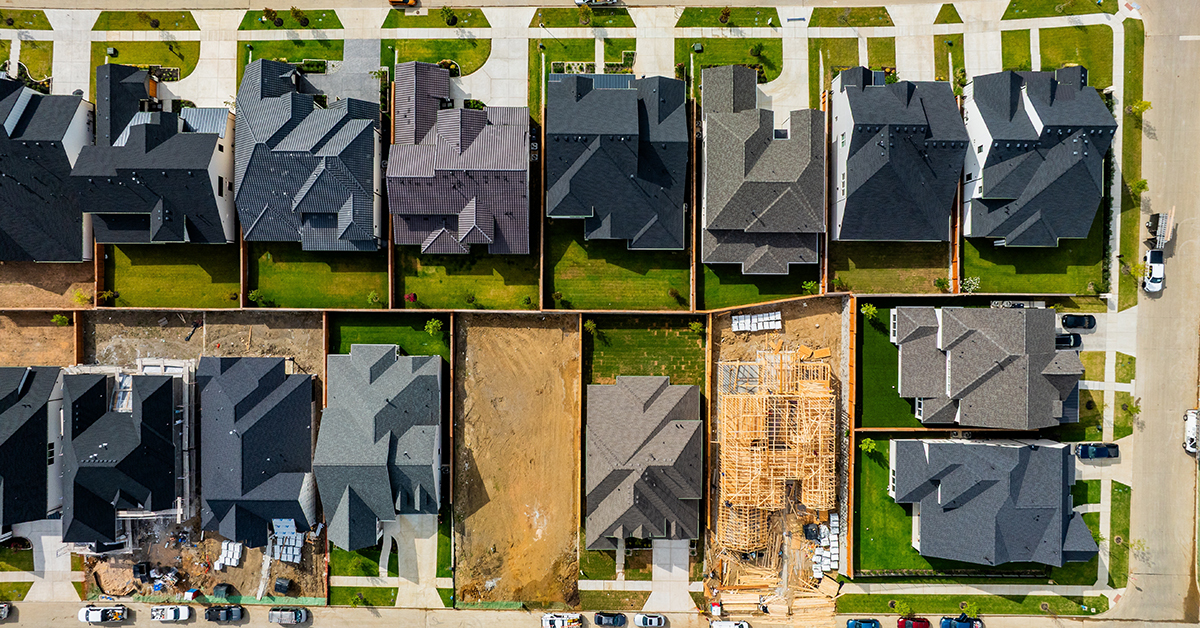
With the many variables inherent in construction — like supply availability, subcontractor dependability, and weather — there’s a lot that can go wrong during a project. That’s why project engineers consider every detail when planning project timelines and monitor progress to keep projects on track. Traditional boots-on-the-ground progress monitoring, however, is time-consuming, especially when managing multiple projects.
To work more efficiently and create opportunity for business growth, construction companies are now turning to drone construction monitoring. Drones can review every inch of a construction site in less than 20 minutes, capture data, and share information immediately with project managers and stakeholders. Best of all, you can launch this solution in four simple steps.
Challenges of Traditional Construction Monitoring
Project engineers or project managers usually visit a construction site and walk through the site making notes, recording measurements, and taking photos. It’s a process that hasn’t evolved to meet the demands of today’s business pressures.
These are the three main reasons manual, in-person construction monitoring is problematic:
Time Constraints
Travel to and from a construction site, evaluating progress, and documenting findings takes time. Depending on the scope of the project, daily project checks may be necessary, but project engineers may have to skip visits when juggling multiple projects.
Missing a scheduled site walkthrough can put a project — and revenue — in jeopardy. For example, if a construction company is working on a federal highway project, missing a deadline reduces their pay, while finishing ahead of schedule merits a reward. One or two days makes a big difference, so every site walkthrough is critical.
Safety Concerns
Construction sites are inherently dangerous. Project engineers may need to navigate uneven terrain, climb ladders, and use one hand to snap photos while standing on a ladder. Accidents and injuries are always a risk with traditional progress monitoring, and when an accident occurs, the project comes to a full stop until investigators can determine what went wrong.
Subjectivity and Inconsistency
Project engineers evaluate construction progress based on specific factors — like deadlines for key milestones — but this process also requires some subjective judgment, and different people with the same skillset may arrive at different conclusions. Here’s a scenario that illustrates this point:
An engineer looks at a roof that’s part of a homebuilding project. The leak barrier and starter strip shingles are in place, so the engineer notes that the roof is 20% complete.
Another engineer visits the same site the next day. This engineer has worked with the subcontractor before and knows that the roofers work exceptionally fast. Even though no roof work has occurred between yesterday’s site visit and today, this engineer notes the progress as 30%, based on the efficiency of the roofers.
Subjective assessments aren’t scientific or based on data points, and that can create problems for project timelines.
How Drones Improve Construction Monitoring
Drones improve construction progress monitoring in several ways:
Faster and Safer Progress Checks
Drones can move quickly through any construction site, accessing tight spaces and areas that are difficult to reach for humans. Project engineers don’t have to climb ladders or inspect roofs, which reduces the risk of injuries.
Frequent Monitoring
Unlike project engineers, who may only be able to visit a site once a week or less, drones can be deployed frequently, even daily if needed. The ability to monitor progress in near real-time helps uncover issues that could delay projects or increase costs.
Consistent and Quality Imagery
Drones have precise sensors and high-resolution cameras that can capture detailed images of the site from the same perspectives on every inspection. That imagery gives engineers the ability to see side-by-side comparisons and even zoom-in to compare the smallest detail.
Accurate Data
Autonomous drones use artificial intelligence to understand their surroundings and avoid obstacles. That AI can also evaluate “completion” status. So, returning to the example of two engineers arriving at different options, a drone could quickly calculate the roof’s square footage, pitch, and angles, see the progress, and compare that to the projected time estimate to determine completion status. It’s a much more reliable way to inspect and assess roofs.
Clarity for Stakeholders
3D drone imagery can provide more clarity for stakeholders about the status of projects. You can show them side-by-side comparisons, and quickly generate reports based on the data your drone has captured. This capability is equally useful for building out your portfolio and showing prospects not just the final product, but also how you work.
Discover the Power of Drone Construction Monitoring
The integration of drones in construction monitoring is more than just a technological upgrade; it represents a shift towards data-driven decision-making in construction.
Drones support project engineers by helping them keep projects on track. And by providing accurate data, high-resolution images, and reporting capabilities, drones improve relationships with stakeholders.
Discover how Eagleview helps construction companies get more done in less time. Contact us to learn more about the power of drones for construction monitoring.