Understanding Roof Penetration and Why It Matters
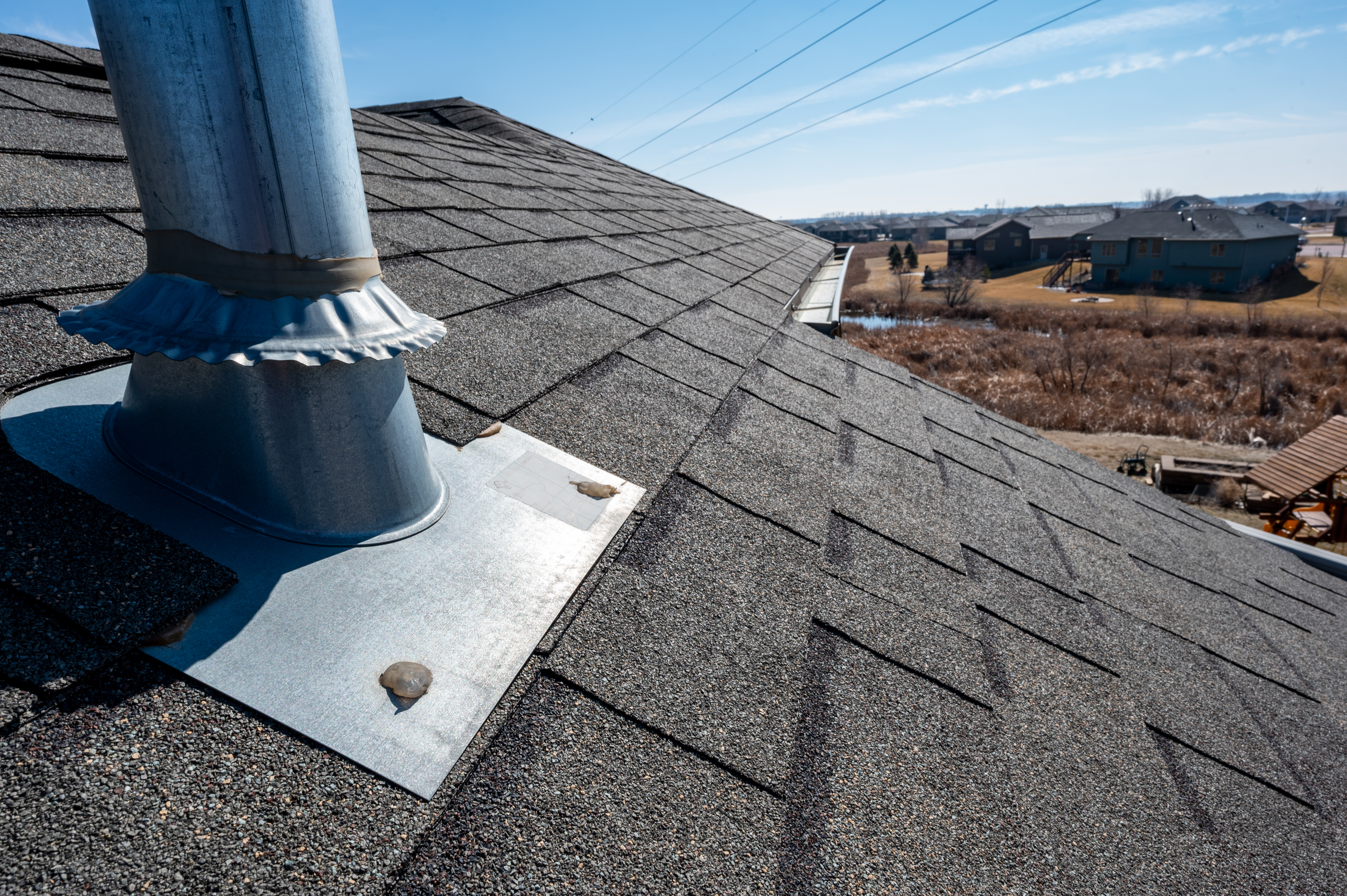
It’s critical for roofing contractors to accurately identify and evaluate roof penetrations so they can design, plan, estimate, and work with precision. The state of a penetration structure such as a chimney or vent directly impacts a repair estimate and the time needed to complete the repair, for example.
- In the design phase, roofers must know where penetrations exist in order to present accurate visualizations to customers, and design must accommodate penetrations to maintain structural stability.
- For planning, types of penetrations impact materials and project timelines.
- Estimates must account for penetration measurements and conditions; miscalculating or failing to properly account for roof penetrations can lead to unexpected repair costs and poor customer experiences.
- Successful job completion is contingent on proper penetration repair as penetrations are one of the most common — yet overlooked — sources of roofing issues. Improperly installed or maintained penetrations can lead to leaks, structural damage, and even premature roof failure.
Roofing contractors need accurate data on the number of penetrations, their conditions, their total square footage, and other factors to provide the right quotes, perform proper sealing techniques, ensure compliance with building codes, and ultimately deliver the best possible customer experience. Aerial imagery supports all these needs by providing precise measurements and data on roof penetrations.
Understanding Roof Penetrations
A roof penetration is any object or structure that breaches the roof’s surface. They affect the roof’s waterproofing, durability, and structural integrity. Penetrations may include:
- Exhaust vents
- Plumbing vents
- HVAC units
- Skylights
- Antennas
Common penetrations include vent pipes, chimneys, and exhaust outlets, all of which are essential to maintaining proper indoor air quality and system performance.
Some penetrations, like skylights and dormers, also contribute to the home’s form and function. Skylights provide natural light and visual openness, while dormers enhance architectural design, improve ventilation, and add usable interior space.
Accurately identifying and measuring these features is critical during inspections, repairs, or renovations—especially when estimating material needs or assessing potential risk. Eagleview's reports include detailed data on the number, type, and dimensions of roof penetrations, so you can plan with confidence.
Key Considerations for Working With Roof Penetrations
There are four major factors that affect roofing work with penetrations:
Sealing and Waterproofing
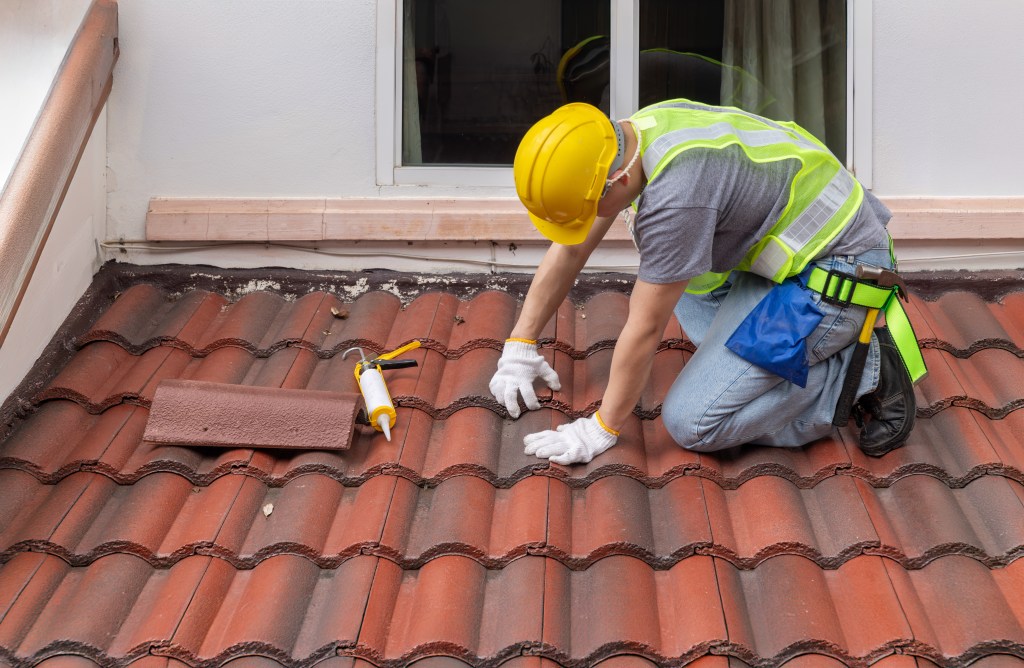
It’s essential to use best practices for sealing and waterproofing penetrations to prevent water intrusion. Roofers must leverage flashing and high-quality sealants to create a watertight barrier that safeguards the building from damage like leaks and long-term instability.
Load Distribution
Plan for proper support for any large penetrations, such as HVAC units. Depending on the size and weight of the penetration, your design will need to accommodate the unit to prevent structural strain or sagging.
Building Codes and Compliance
Your project estimates and timelines should consider any regulations that apply to the customer’s building. The roof work may require specific materials and installation methods for various penetration types in order to maintain compliance and pass inspections.
Roof Warranties
Pay attention to any warranty implications regarding roof penetrations. You risk accidentally voiding or compromising a warranty if you improperly handle or install a penetration. Check warranty terms before you begin work and always use flashing, sealants, and boots that meet manufacturer standards.
How Eagleview Enhances Roof Penetration Analysis
Eagleview’s aerial imagery and reporting solutions give roofers the comprehensive data they need to accurately plan, estimate, and execute projects that involve penetrations.

Capture Penetration Details with Unmatched Precision
Advanced imaging technology from Eagleview delivers high-resolution images of roof details, including all penetrations, so you start your planning and design stages with accurate measurements. Aerial imagery allows you to estimate with confidence, eliminating guesswork that leads to bottlenecks or expensive backtracking.
Win Bids and Order the Right Materials with Property Intelligence
At Eagleview, we understand the importance of capturing every detail in a roofing project. With Eagleview roof reports, you get highly detailed and accurate data, including roof penetrations, which help contractors account for vents, skylights, and other features with confidence.
You can access penetration details as a standard feature with an Eagleview One™ subscription, viewable on the 3D property viewer or as a PDF export.
Trust Eagleview for the accurate data and advanced tools you need to elevate your roofing projects:
- Improved Material Accuracy – Accounts for penetrations that impact shingle layout and material needs.
- Streamlined Bidding & Estimates – Reduces guesswork by clearly identifying roof features that affect labor and cost.
- Enhanced Job Planning – Helps crews prepare for flashing, sealing, and detailing around penetrations.
- Improved Customer Communication – Clearly visualizes roof complexity for homeowners and stakeholders.
- Reduced Callbacks & Errors – Minimizes missed features that can lead to leaks or rework.
- Time Savings – Eliminates the need for manual counting and on-site adjustments.
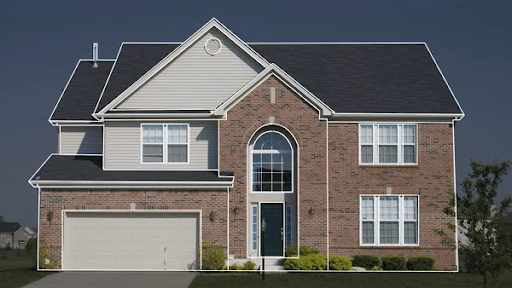
Learn more about Eagleview Premium Roof Reports and Eagleview One™.